

Trees are among probably the most valuable assets on any residential or professional property. According to the USDA Forest Service , a single mature tree may raise house value by around 10% and offer energy savings of $100–$250 annually through organic shading. Yet several home homeowners neglect schedule tree maintenance until a problem becomes impossible to ignore.
Buying qualified tree removal is one of the very cost-effective conclusions home operator can make. Below are the most frequently requested issues about tree care—alongside data-backed answers to steer better decisions.
How frequently should trees be cut or pruned?
Most experts recommend pruning deciduous trees every 3–5 decades and evergreens every 5–7 years. However, small woods benefit from annual surrounding during the initial four years of growth to ascertain powerful part structure. Studies from the Global Culture of Arboriculture (ISA) show that woods pruned at the best development point experience 40% fewer storm-related breakages over their lifetime.
Routine trimming eliminates dead wood, increases circulation, and encourages balanced new growth—reducing long-term condition risk.

What percentage of tree canopy could be properly eliminated at the same time?
A maximum of 25% of a tree's live cover ought to be removed in one session. Eliminating an excessive amount of foliage at the same time worries the tree , weakens its root program, and raises their vulnerability to pests and disease. A certified arborist can assess cover thickness before suggesting any removal plan.
When is tree removal actually required?
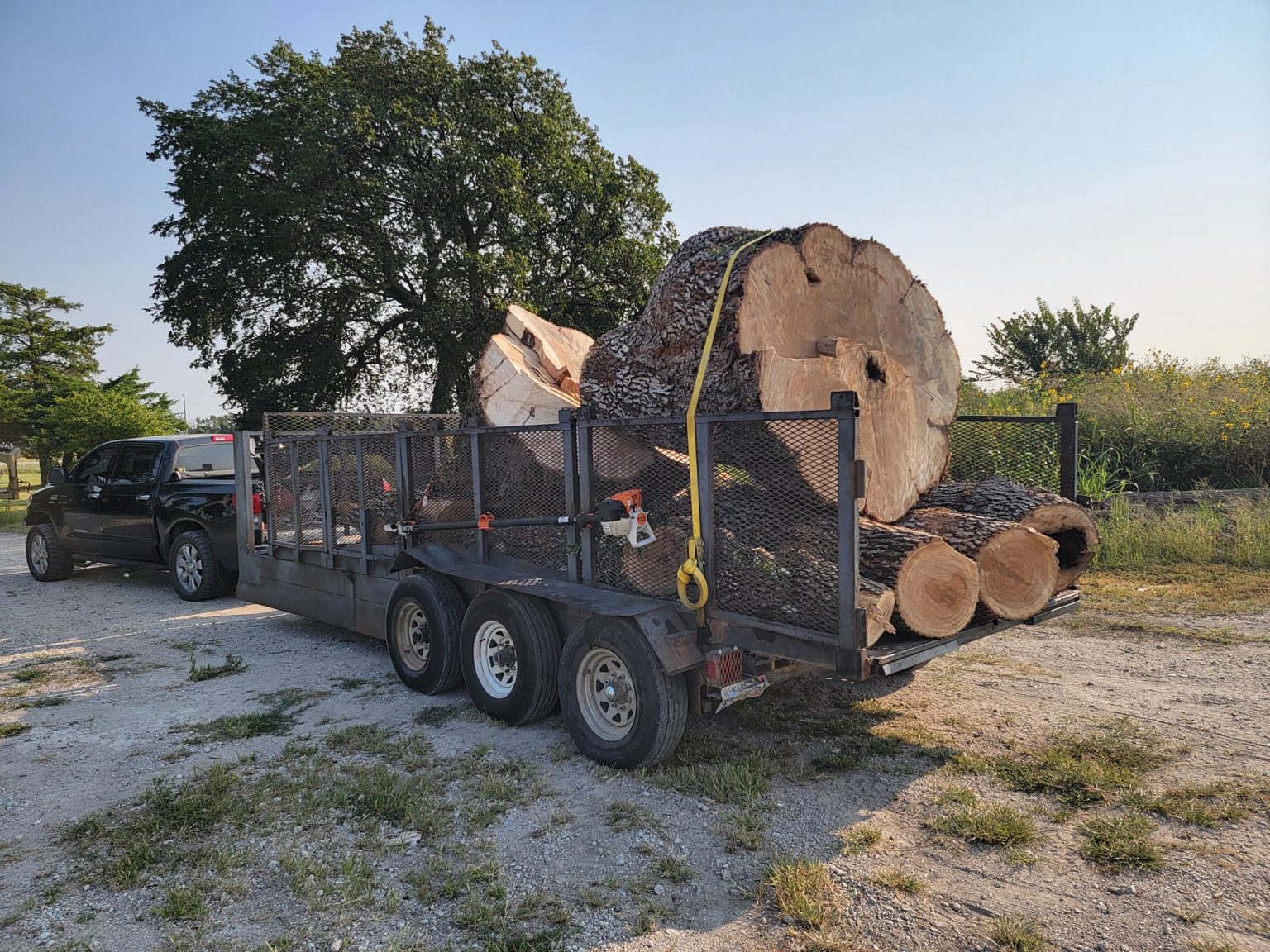
Removal will become necessary when a tree is structurally compromised, diseased beyond recovery, or poses a risk to structures and people. The Tree Attention Industry Association (TCIA) reports that falling trees and divisions cause an estimated $1 billion in property injury across the U.S. each year. Early professional evaluation may reduce nearly all these incidents.
Does mulching about trees make a measurable big difference?
Yes—significantly. Research published by the University of Texas Expansion discovered that a 3–4 inch layer of organic mulch about a tree's foundation decreases soil humidity loss by as much as 70% and decreases root-zone temperatures throughout maximum summertime months. Mulching also suppresses competing weeds and steadily increases land quality because it decomposes.
How are you aware in case a tree is diseased?
Common indicators include uncommon leaf discoloration, early leaf decline, bark chips or fungal development, and hollow-sounding timber when tapped. If two or more of those signs can be found simultaneously, a professional inspection is strongly recommended.
Build a Tree Attention Schedule That Continues
Consistent tree preservation safeguards your landscape, your property, and the people who enjoy it. Planned inspections, appropriate pruning, and proper mulching are habits that pay dividends for decades. The goal is not merely to manage issues while they arise—it's to produce problems where woods succeed well before dilemmas develop.